



It could produce 100 customized pizzas per hour with one employee. It had backing from Paul Allen’s investment firm. It partnered with Domino’s.
It raised more than $53 million over a decade.
On May 11, Picnic executed a General Assignment for the Benefit of Creditors. In plain terms: the company ran out of money and is gone.
What happened to Picnic, and how the shutdown was executed
Picnic, the Seattle-based food automation startup founded in 2016, shut down and liquidated its assets after becoming insolvent, according to GeekWire, which reviewed legal documents and an email sent to creditors and investors.
The General Assignment for the Benefit of Creditors, executed on May 11, is a state-law process that allows an insolvent company to wind down outside of bankruptcy by selling assets and distributing proceeds to creditors.
CMBG Advisors Inc., a Santa Monica-based liquidator, was named to handle the process.
“CMBG will be working to sell off any remaining company assets and intends to distribute any cash proceeds after expenses to creditors,” the company said in its email to stakeholders, GeekWire confirmed.
More Tech Stocks:
- Morgan Stanley sets jaw-dropping Micron price target after event
- Nvidia’s China chip problem isn’t what most investors think
- Quantum Computing makes $110 million move nobody saw coming
A buyer for Picnic’s assets and intellectual property has already been identified, but the buyer’s identity, the purchase price, and the intended use have not been disclosed. That secrecy adds a final chapter of uncertainty to a startup that once pitched itself as a future leader in restaurant automation.
The Picnic story from stealth mode to shutdown
Picnic began in 2016 under the names Otto Robotics and Vivid Robotics before settling on Picnic Works.
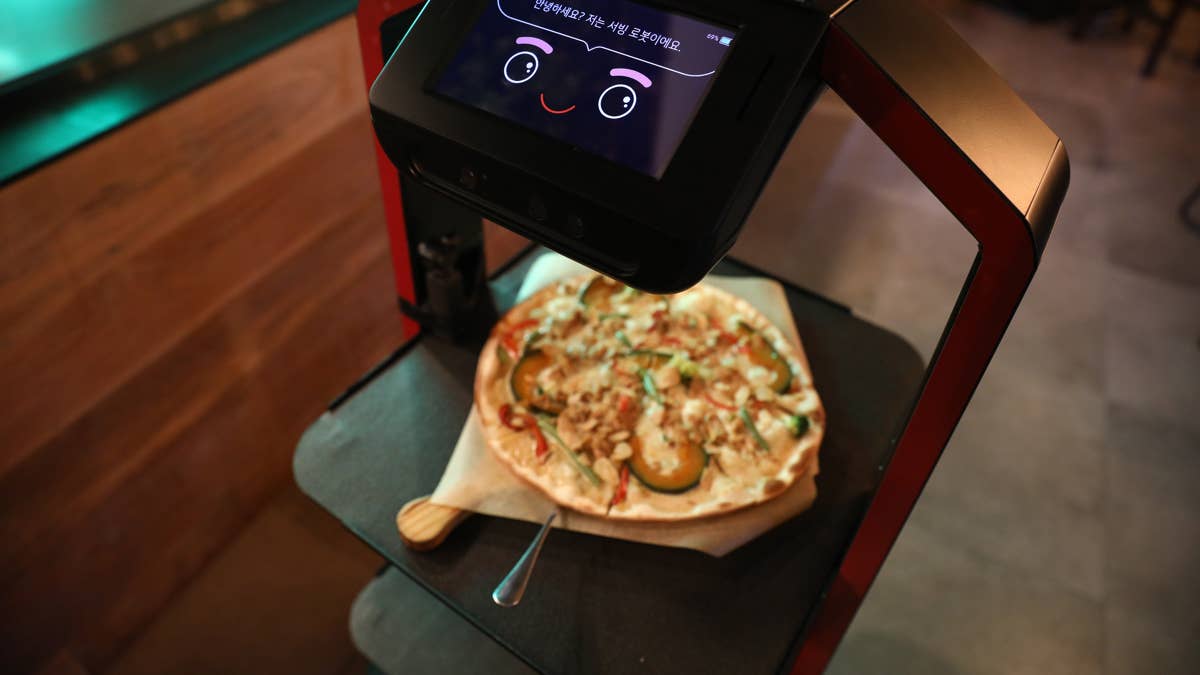
Its core product, the Picnic Pizza Station, used a conveyor-belt system to allow a single employee to produce up to 100 customized 12-inch pizzas per hour by automating the sauce, cheese, and topping process, according to GeekWire.
The company attracted early credibility.
Paul Allen’s Vulcan Capital was among the seed investors. In 2021, Picnic raised a $16.3 million Series A led by Thursday Ventures, with participation from Creative Ventures and Flying Fish Partners.
In 2022, the company tested robotic pizza assembly in a partnership with Domino’s. Customers included stadiums, universities, and restaurant groups, including Ethan Stowell Restaurants in Seattle.
What went wrong and why the business never scaled
The turning point came when the fundraising environment shifted. Former CEO Clayton Wood, who led the company from 2018 to 2023, described the situation plainly: Picnic was caught between a “free-money era” and a market downturn when “the bottom dropped out,” according to GeekWire.
In February 2023, the company conducted significant layoffs. Wood stepped down later that year.
The leadership instability that followed compounded the problem. Michael Bridges took over after Wood and later departed in 2025.
Valeri Inting then joined as CEO in September 2025 with plans to pivot toward a “hospitality-first automated pizza chain.” A New York pop-up planned under that strategy never materialized.
By the time GeekWire visited Picnic’s former Seattle headquarters in the Interbay neighborhood, the space was empty, and neighboring tenants said the company had already moved out months earlier.
Sung-Jun/Getty Images
What customers were left with and the broader lesson for robotics investors
The shutdown left at least some early customers in a difficult position. Seattle restaurant owner Lee Kindell described being left with a $250,000 “robot aquarium,” his phrase for the idle Picnic machines still sitting in his restaurant.
Kindell had been an early public supporter of the technology and said in 2023 that “robotics is the future of food,” according to GeekWire.
His situation illustrates the asymmetric risk of buying early-stage hardware. Unlike software, where a canceled subscription simply stops working, a robot becomes a liability when the company that made it no longer exists to support it.
Key figures on Picnic’s shutdown and operating history:
- Total funding: approximately $53.4 million raised over ten years, according to PitchBook
- Shutdown date: General Assignment for the Benefit of Creditors executed May 11, 2026; liquidator CMBG Advisors Inc. named to manage wind-down, according to GeekWire
- Asset sale: a buyer for Picnic’s assets and intellectual property has been identified; identity, price, and intended use not disclosed, GeekWire confirmed
- Product: Picnic Pizza Station could produce up to 100 customized 12-inch pizzas per hour with one employee
- Investors: Paul Allen’s Vulcan Capital among seed investors; 2021 Series A led by Thursday Ventures with Creative Ventures and Flying Fish Partners, according to TechCrunch
- Key partnerships: Domino’s 2022 pilot; Ethan Stowell Restaurants; stadiums, universities, and retailers among customer base
- Leadership: Clayton Wood CEO 2018 to 2023; Michael Bridges 2023 to 2025; Valeri Inting joined September 2025
- Customer impact: restaurant owner Lee Kindell left with approximately $250,000 in idle Picnic equipment, GeekWire confirmed
What Picnic’s failure signals for food robotics investors
Picnic is not the first food robotics company to fail. Zume, which raised more than $400 million from SoftBank to automate pizza delivery, also shut down after pivoting away from its original product, according to Nation’s Restaurant News.
The pattern suggests the problem is not specific to Picnic’s execution but reflects something structural about hardware-based food automation.
The restaurant industry is a difficult market for robotics. Labor costs are a genuine pain point, but margins are thin and adoption is slow. A robot that works in a demo kitchen still has to work at the pace of a real restaurant, integrate with existing workflows, and be cheap enough for operators already running on tight margins.
The mystery buyer may yet give Picnic’s technology a second life.
But the more enduring lesson is one investors in food robotics are still learning: a compelling product demonstration is not sufficient. The business underneath it has to survive years of slow adoption, expensive hardware cycles, and fundraising droughts that can end companies before the market catches up to the vision.
Related: Walmart and Sam’s Club turn to robots to cut costs, lower prices